Bird is the word
posted on
April 23, 2026
Yesterday was a big day for birds here on the farm!
Our first batch of meat birds arrived bright and early at the post office. We dipped their beaks so they knew how to drink, then set them loose in the brooder with food no more than a foot away. They will spend 3 weeks in the brooder. This first week, the temperature is about 95 degrees. Starting about a week from now, we’ll lower the temperature every day so they get ‘hardened’ to outdoor temperatures. This is critical for them to thrive on pasture.
In three weeks, they will be well feathered and ready for life on the grass. They then spend 5 weeks moving across the pasture in the sunshine, exploring new ground each day. And then they are fully grown and ready for your table.
Just in time, too, we have limited chicken available for the next 8 weeks. We are down to a handful of “Misfit Chickens” (chickens with some kind of blemish: broken wing or torn breast skin), some breast, and Chicken backs. We have been sold out of our Roasters for all but our Chicken CSA customers since December. If you want to be sure you have chicken year-round, now is a great time to sign up for a “Chicken CSA.”
By committing now to an 8, 13, 26, or 52 pack of chickens, you know you’ll have all the pasture-raised, organic-fed chicken you want for the year. CSA members get first choice of when and how often they want chickens during the year. Don’t worry about freezer space; we’ll hold them for you until you are ready.
The other bird news is we moved the hens from their winter hoophouses into the WinniEggos last night. We do this right at dark when they are ready to sleep. They will spend all day today and tomorrow in the WinniEggos, so they feel strongly connected to them as their home. We find that 2 lay cycles seem to be the trick.
Speaking of laying, they will be laying their eggs in new roll-away nesting boxes. This will help the eggs be cleaner and reduce breakage in the nesting boxes. In the next week or so, we plan to move to mostly unwashed eggs for farm pickup and home delivery. Unwashed eggs still have their natural ‘bloom’ intact, and they keep fresh up to 7x longer than washed eggs.
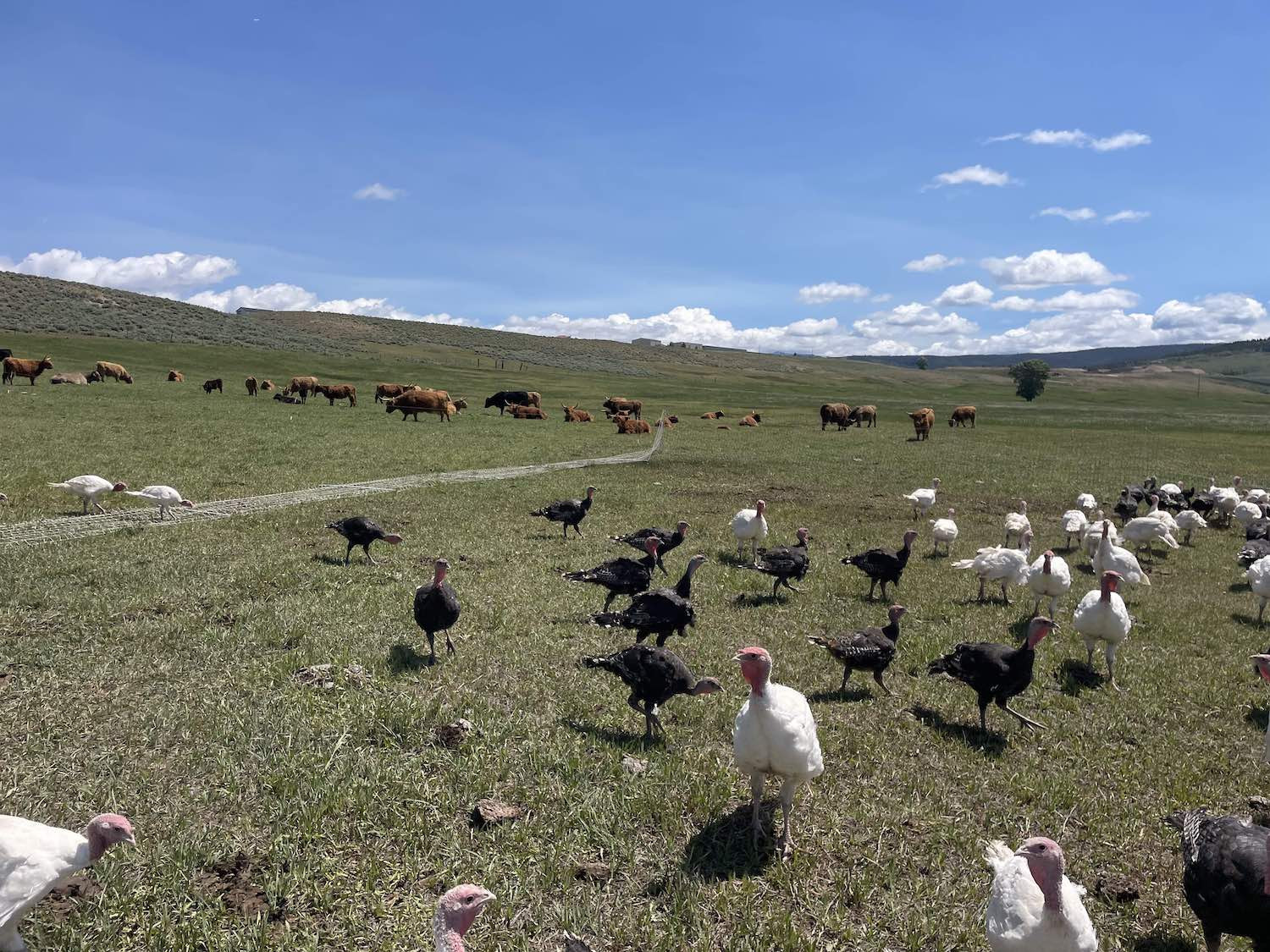
Starting Saturday, the hens will have daily access to pasture. We will also spend about 3 evenings training the hens to go into the WinniEggos at night. One flock did this all last summer, and for the other, this will be their first year traveling the pastures in style. Asa, the Farmhands, and I will go to the WinniEggos at sunset and make sure the hens don’t try to bed down for the night underneith. We do this by shooing them out with pool noodles if they try to go under the WinniEggo. As darkness falls, we will pick up those who are left outside and put them in. Usually, the first night about 1/2 need help finding their way ‘home’, by the second night, only about 10-15% are still not fully clear on the system, and by the third night, we usually only have a few stragglers, some that may spend the whole summer sleeping under the stars.
This training process is necessary so WinniEggos can be moved to new ground every few days through the summer. We have to move the camper with the birds inside, or they will go back to where the camper was when they woke up to bed down, leaving 400 birds away from their nesting boxes and shelter. Once training is complete, the WinniEggos will head to the field for the summer.
Today marks the first real day of the summer season for us. Chores become less centralized, animals are outside more, doing what they are meant to be doing in this season, and we get to start preparing for the harvest. It’s an exciting time of year.
Thank you for being part of our farm family ,
Aila